Cape Ann Auction Journal
Absolute Auctions - Gold Mines or Fools' Errands?

Here's a typical conversation: Drop Jaw Joe: Why on earth would you want to sell valuable items for $1?!
Me: I don't, the auctions START at $1.00 then the pool of bidders compete during the timed auction until the item is sold to the highest bidder at the end of the auction.
Usually, I purchase entire estate contents or curated collections.
The absolute auction principle dictates 20% of auction lots will sell for high prices, 60% land somewhere in the middle, 20% sell low.
Since I've been buying antiques & vintage items since the late 1970s, I know the market.
If you're not attached to the items, want to sell a lot, fast, then absolute auctions are a great choice!
Drop Jaw Joe: But what happens if you sell a gold watch for a dollar?
Me: If you were bidding in an auction, would you bid more than a dollar for a gold watch?
The watch will sell for a dollar, ONLY if there is no competition at the auction.
Seeding an auction with interesting items, working with a great platform , and ensuring adequate promotion, gives me confidence that I'll have ample competition for my items.
Drop Jaw Joe: But what happens if it DOES only get bid up to a dollar?
Drop Jaw Joe: I don't want to sell my items for a dollar.
I will offer you $3,500 for these three rooms full of your collectibles.
Drop Jaw Joe: Deal Me: Deal And that sums the situation I've come across time after time when purchasing historic estate contents and collections of antiques, jewelry, etc.
There is no "one size fits all" rule when it comes to selling valuables.
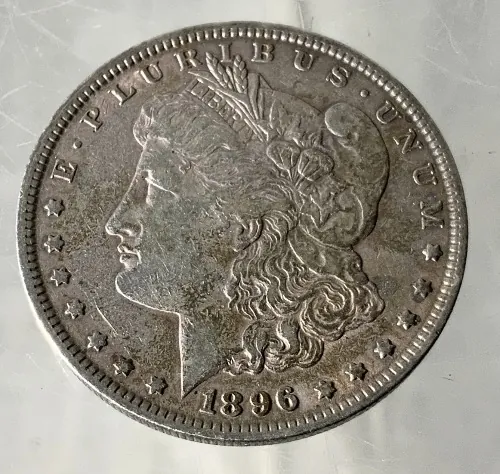
At the time this post was written, the 1896 Morgan Silver Doller was up for bid at one of our absolute auctions.
If it's ended by the time you read this post, you can see what it sold for.
Photos from this entry